Home/Research tool/Insight Navigator

Research tool

See what holds up across your research.

Insight Navigator keeps research connected across projects, methods, and source material, so teams can ask questions across one project or the wider platform, see when different studies support the same story, and trace claims back to where they came from.

A research tool inside the <un>peel platform. Starter plans give single-tool access. Foundation and above include the full toolset.

Why generic AI solutions fall short for research retrieval

Most teams have already tried putting research into a general-purpose AI tool. The problem is not that those tools lack capability. It is that they were not designed for research — they have no concept of brand, market, method, audience, fieldwork period, or metric, so retrieval defaults to keyword proximity rather than research relevance.

Built for the structure and context of enterprise research.

Generic approach

Generic AI solution

Insight Navigator

Insight Navigator

Document processing

Generic approach

Documents are split into chunks without understanding their type or structure. A report, a transcript, and a brief are treated the same way.

Insight Navigator

Every document is processed to understand what it is and how it is structured — the document as a whole, its sections, and the items within each section.

Transcript handling

Generic approach

Transcripts are treated as a block of text. There is no distinction between what a participant said and what the moderator asked.

Insight Navigator

Transcripts are parsed into structured speaker turns so retrieval works on participant evidence, not the whole undifferentiated file.

Research context

Generic approach

No concept of brand, market, method, or fieldwork period. Retrieval is based on text similarity, not research relevance.

Insight Navigator

Every document is tagged with research context — brand, market, method, fieldwork period — so queries surface evidence that actually fits the question.

Retrieval scope

Generic approach

No control over retrieval scope. Results can come from anywhere, with no way to know whether an answer draws on the right study or pulls in unrelated material.

Insight Navigator

Ask within a single study for focused answers, or canvas across all studies to surface patterns and connections. The scope is yours to set — not decided by the tool.

Audit trail

Generic approach

Queries run in personal accounts leave no organisational record of what was asked, what was found, or by whom.

Insight Navigator

Every query is stored against the project record — accessible to the whole team, with a full history of what was asked and retrieved.

Source traceability

Generic approach

Answers come back as generated summaries. It is not always clear which source material supported which claim.

Insight Navigator

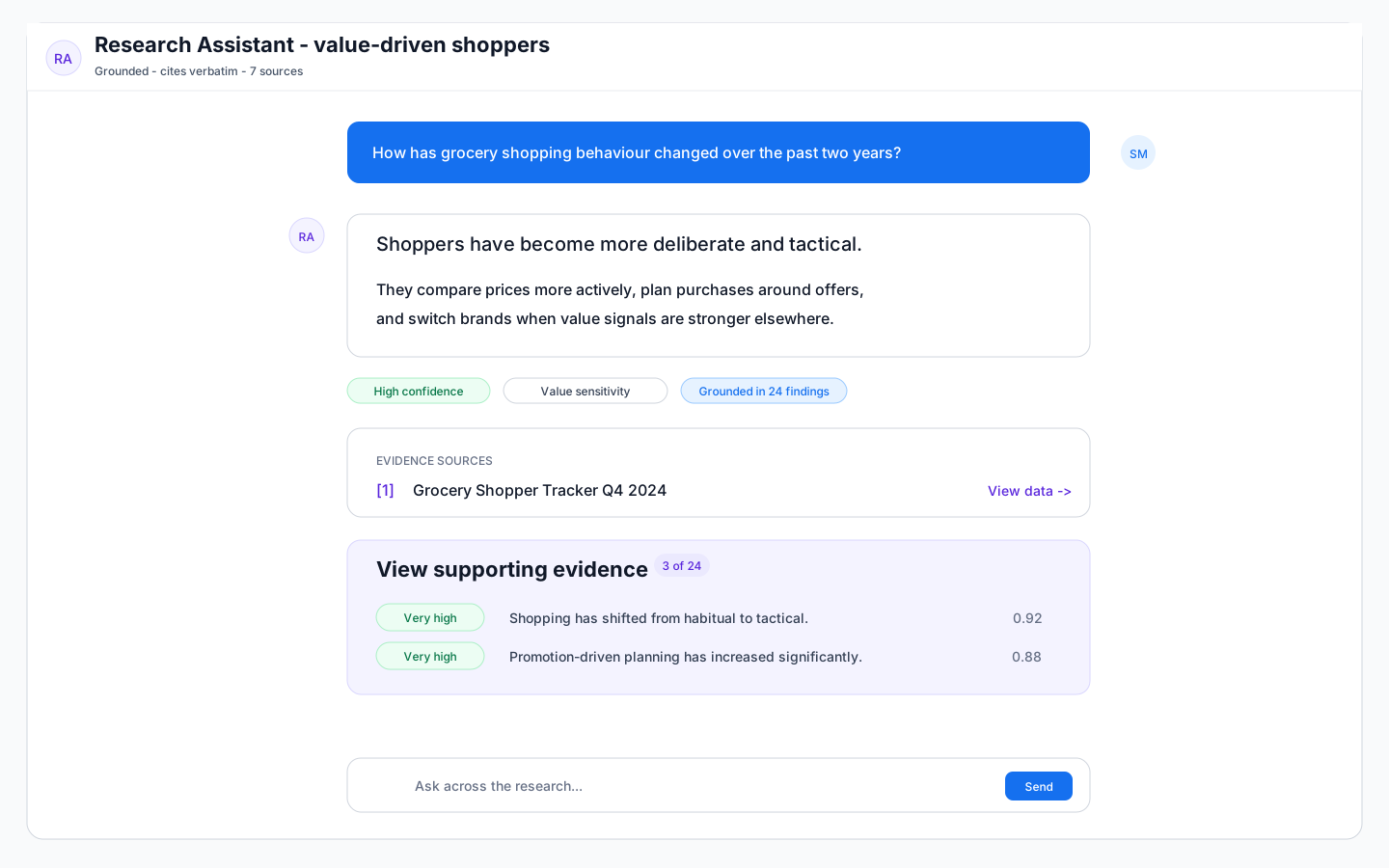
Every answer points back to the specific page, report section, or transcript exchange it came from — so every claim is inspectable.

Insight Navigator was built specifically for research — processing every document to understand its structure and tagging it with research context before retrieval, so queries surface evidence that fits the question rather than text that merely sounds similar.

Insight Navigator showing a research query with source-linked resultsInsight Navigator showing a research query with source-linked results

How Insight Navigator works

Insight Navigator handles research materials for what they are. Transcripts, discussion guides, and reports each serve a different role in the evidence chain — and each is processed accordingly before it enters retrieval.

  • Every uploaded document — transcript, discussion guide, report, market analysis, or desk research — is processed to understand its structure: the document as a whole, how it divides into sections, and what each individual section or item contains
  • Transcripts are parsed into structured speaker turns so retrieval works on what specific participants said, rather than treating the whole transcript as a single block of text
  • Every document is tagged with research context — brand, market, method, fieldwork period — so queries surface evidence that fits the research question, not just text that sounds similar
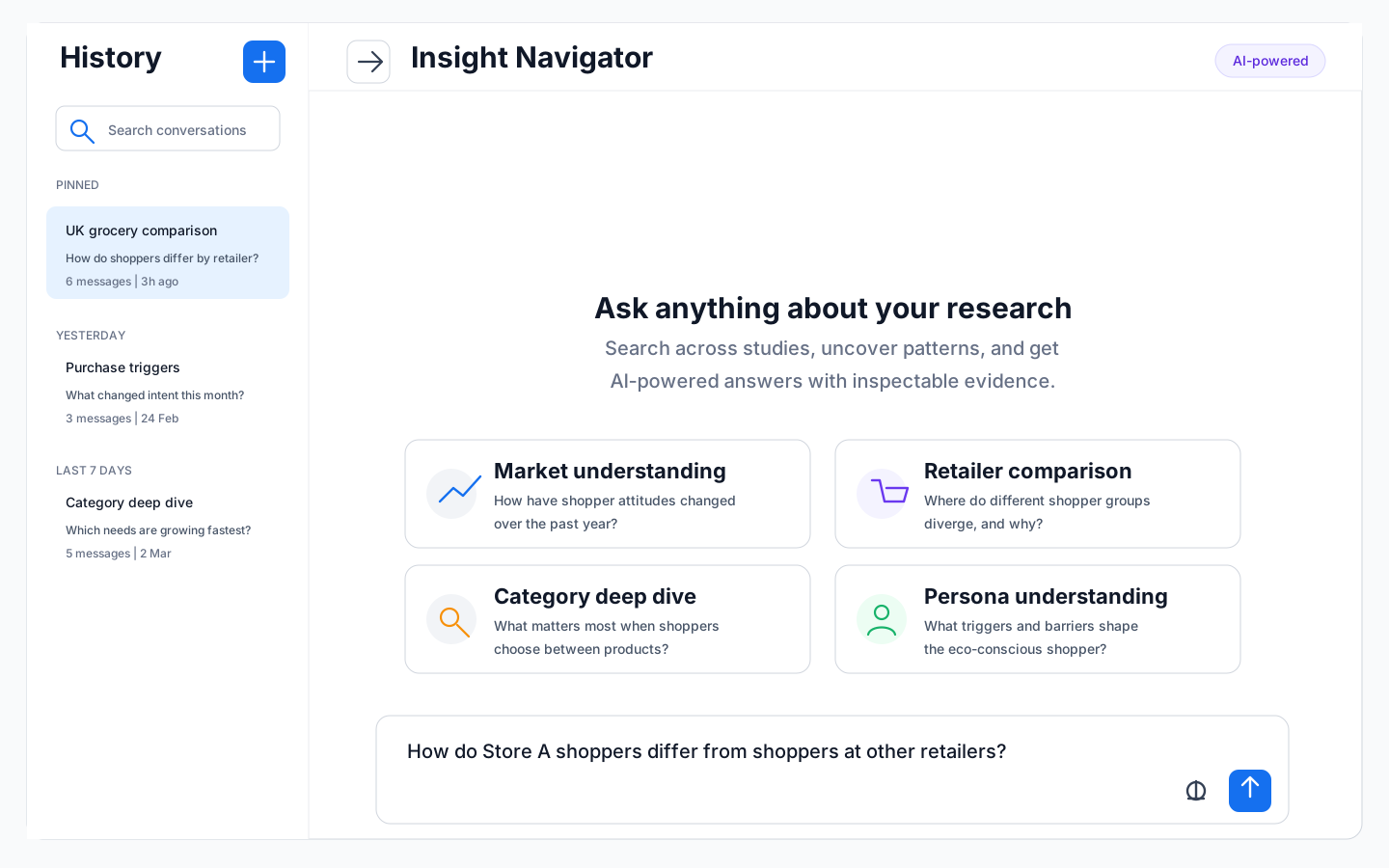
  • Questions can be asked within a single project for local context, or across the wider platform to surface prior evidence from earlier studies
  • Ask within a single study for precise, focused answers, or search across all studies to surface patterns and connections — the scope is deliberate, not decided by the tool
  • Answers are grounded in respondent evidence — participant responses and discussion guide context are treated as distinct source types, so findings reflect what people said rather than how questions were framed
Insight Navigator query interface showing project-level and platform-level searchInsight Navigator query interface showing project-level and platform-level search

Built for enterprise accountability

Enterprise insight teams are accountable for what they present to the business. When a finding is challenged — by a stakeholder, a procurement review, or a follow-up question six months later — the team needs to show exactly where it came from, not reconstruct it from memory.

  • Every query is stored against the project record — not scattered across personal accounts or lost when a team member moves on
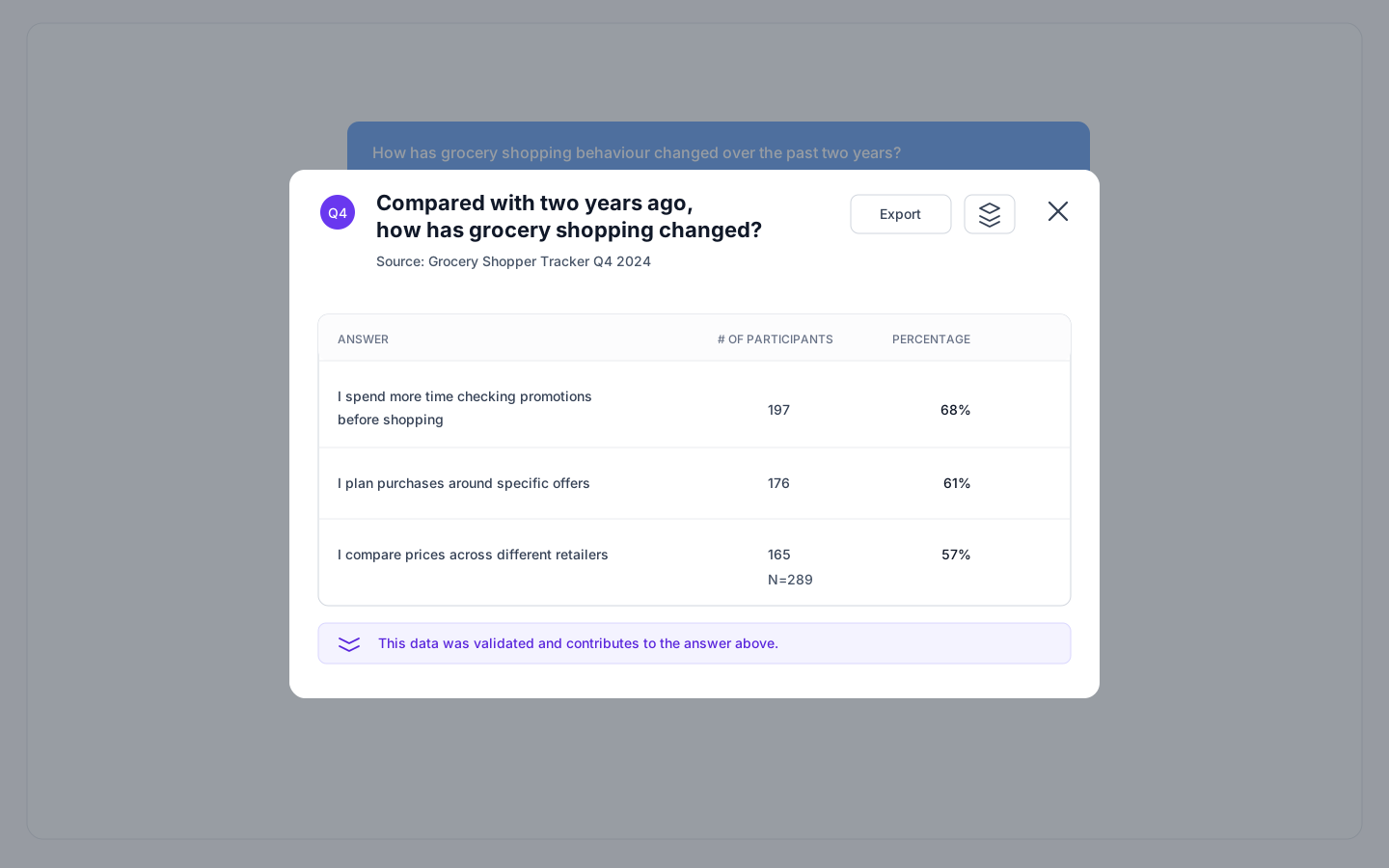
  • Each answer includes the specific source it came from — the page, report section, or transcript exchange, not just the document name
  • A full record of what was asked, what was retrieved, and when — accessible to the whole team, not just the individual who ran the query
  • Every finding stays connected to the original research material it came from, so the chain from claim to source remains intact
Insight Navigator audit trail showing stored queries and retrieved sourcesInsight Navigator audit trail showing stored queries and retrieved sources

Bring any research into the platform

Insight Navigator is not limited to studies run inside <un>peel. Research conducted on any platform can be imported and queried alongside everything else — brief, context materials, instruments, and outputs all in one project record.

Research Architect is the tool that helps teams build that project container from the brief outward, gathering context and organising materials before fieldwork begins.

How connected evidence helps validate the answer

Because studies, imports, and outputs sit in one connected record, it becomes straightforward to draw patterns across multiple pieces of research — to see where findings converge across methods or audiences, and to test whether an answer holds up beyond a single study.

That is what turns a single finding into a validated conclusion. When independent studies point in the same direction, the platform makes that convergence visible — and the team can present it, not just assert it.

Next step

See what changes when past research becomes easier to question.

Book a demo and we will show how Insight Navigator helps teams ask better questions of the research they already have.