Home/Research tool/Segment Lens
Research tool

We don't predict what your audience would say. Our personas reply with what they actually said.

Other tools predict what your audience might think and ask you to trust the model. Segment Lens is different. Each persona is a validated segment from a real study, so every answer maps back to actual survey responses with full traceability. Ask a question in plain language, get a grounded answer, and open the exact data point that backs it. When the research does not cover something, the persona says so instead of overstating what it can know.

A research tool inside <un>peel. Starter plans give single-tool access. Foundation and above include the full toolset.

Segment Lens / overview
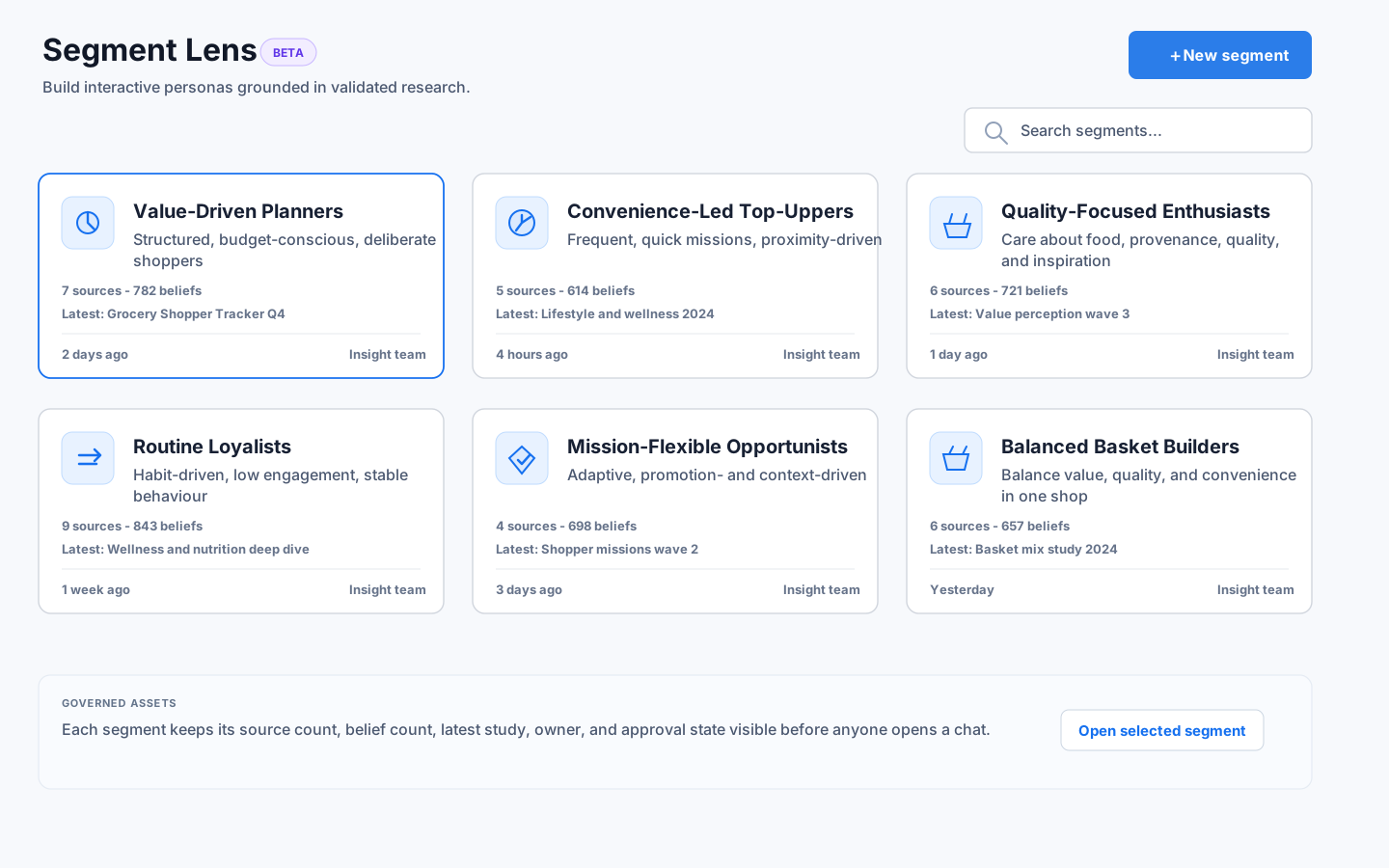
Segment Lens library showing multiple governed personas with source counts, belief counts, and ownership metadata
Governed persona activation

Turn segmentation into something the business can actually use.

Segment Lens turns validated segmentation work into governed personas that stakeholders can question, while insight keeps control of the evidence behind each answer.

Segment persona

Value Seeker

PublishAskAnswer

Stakeholder question

What would this segment need to believe before switching?

The segment answer is useful to the business, but still grounded in the underlying segmentation and source evidence.

Source: segmentation study and survey evidence

Governed persona activation

How a segment answer stays governed.

The experience makes segment knowledge easier to use without detaching it from the research: publish the segment, ask in plain language, answer from evidence, and keep the source visible.

Traceability

Every answer opens up to the real data

There is no black box. When a segment tells you what it thinks, you can trace that answer to the exact survey result behind it. We do not predict what the answer should be; we surface the recorded response and let you see it.

The answer and its evidence are never separated, so insight stays inspectable instead of asking the business to take an AI's word for it.

  • +Each answer resolves to the specific data point it came from, not a vague "based on the research"
  • +Open any answer to see the underlying survey result
  • +Built from your own study, not a generic model of "people like this"
Segment Lens / Every answer opens up to the real data
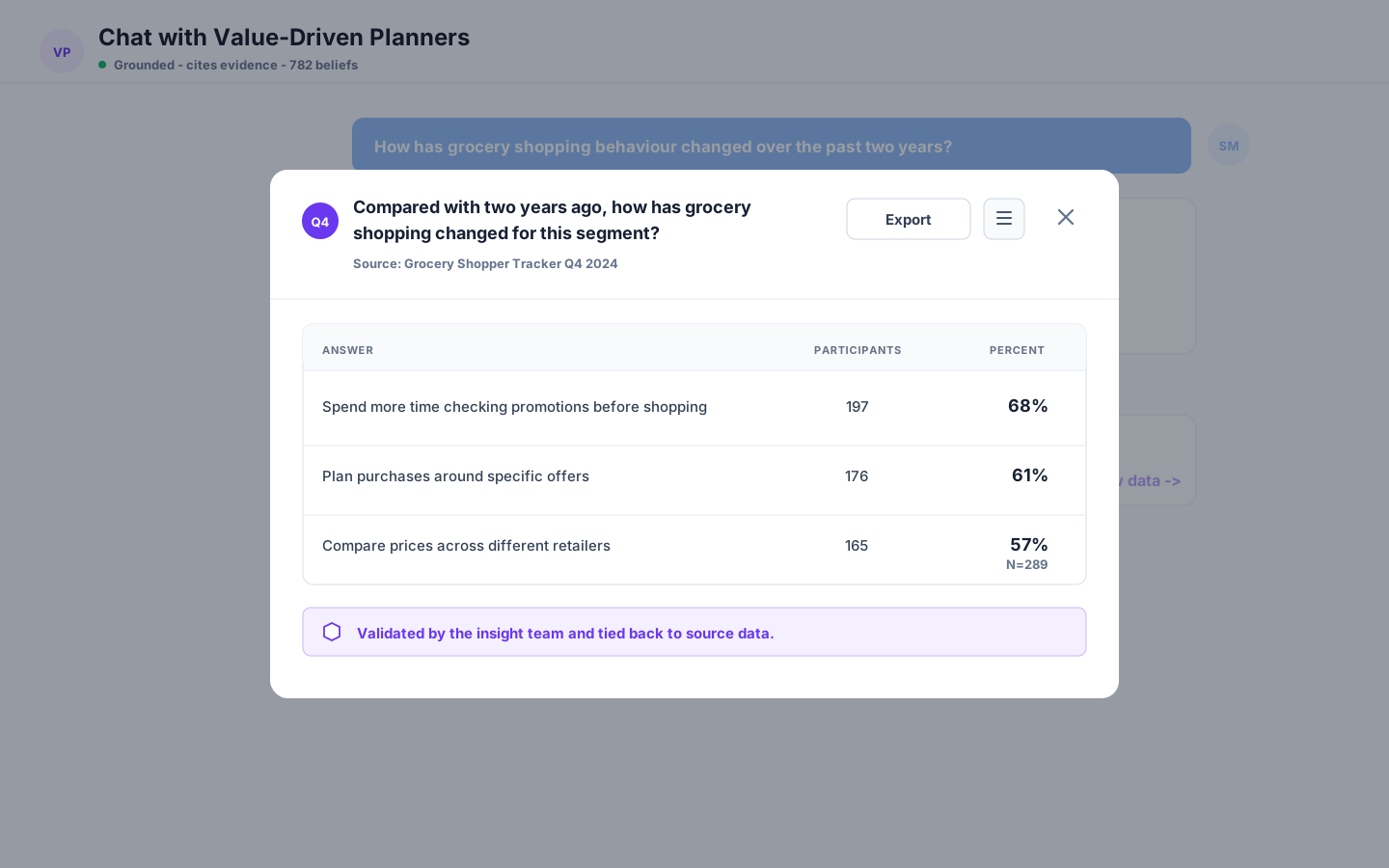
Segment Lens chat answer with source citations and an opened data table modal
Honest limits

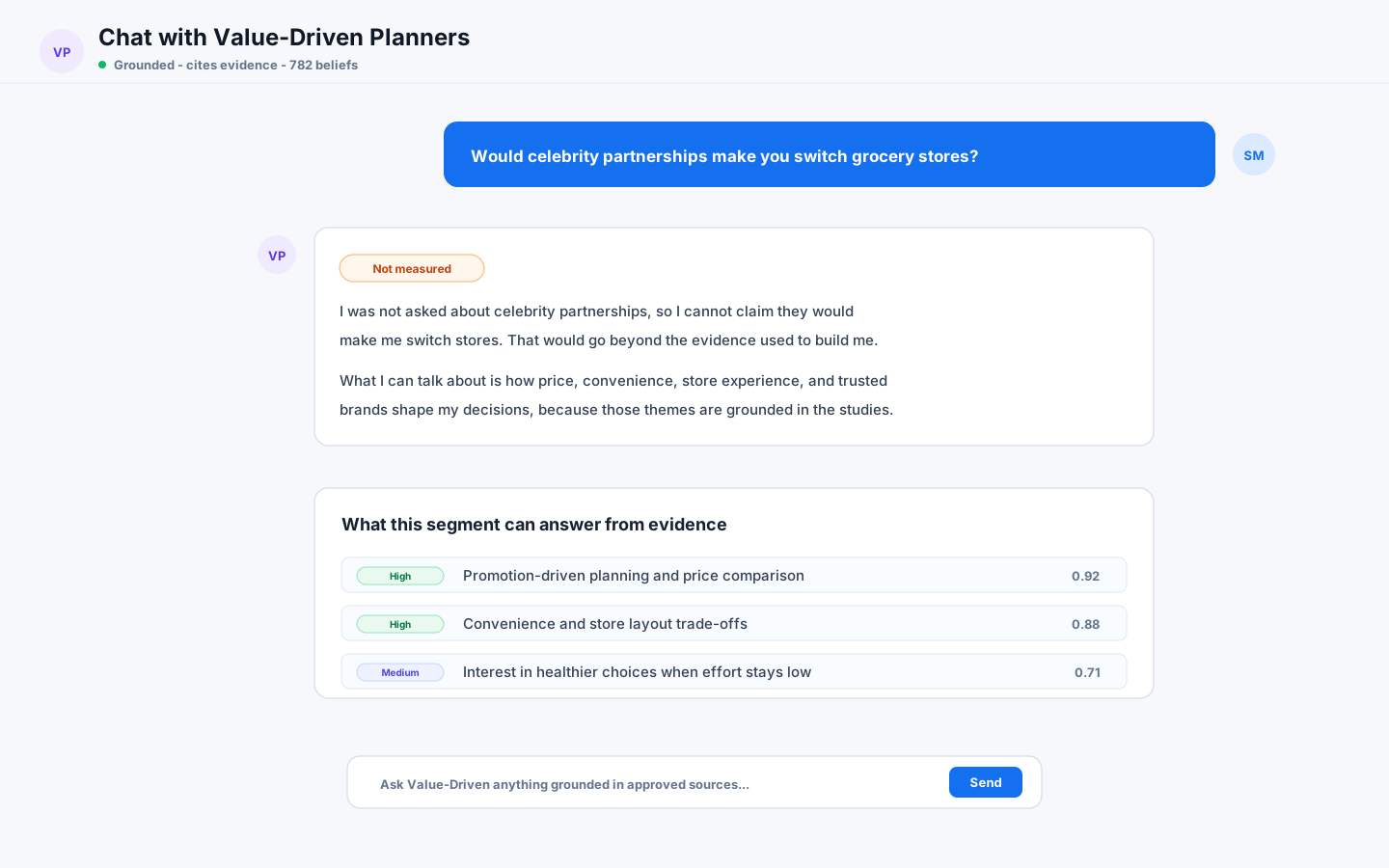
It tells you when it does not know

Most AI will answer anything you ask, whether or not it has grounds to. Segment Lens does the opposite. If a question falls outside what the study measured, the segment says so and points to what it can speak to, rather than inventing a confident-sounding answer.

  • +No invented statistics, motivations, or opinions
  • +Out-of-scope questions get an honest "I have not been asked about that", not a guess
  • +What a segment will not claim is governed as carefully as what it will
Segment Lens / It tells you when it does not know
Segment Lens boundary check showing an unsupported question declined and supported evidence areas highlighted
Measurement fidelity

Faithful to how the research was measured

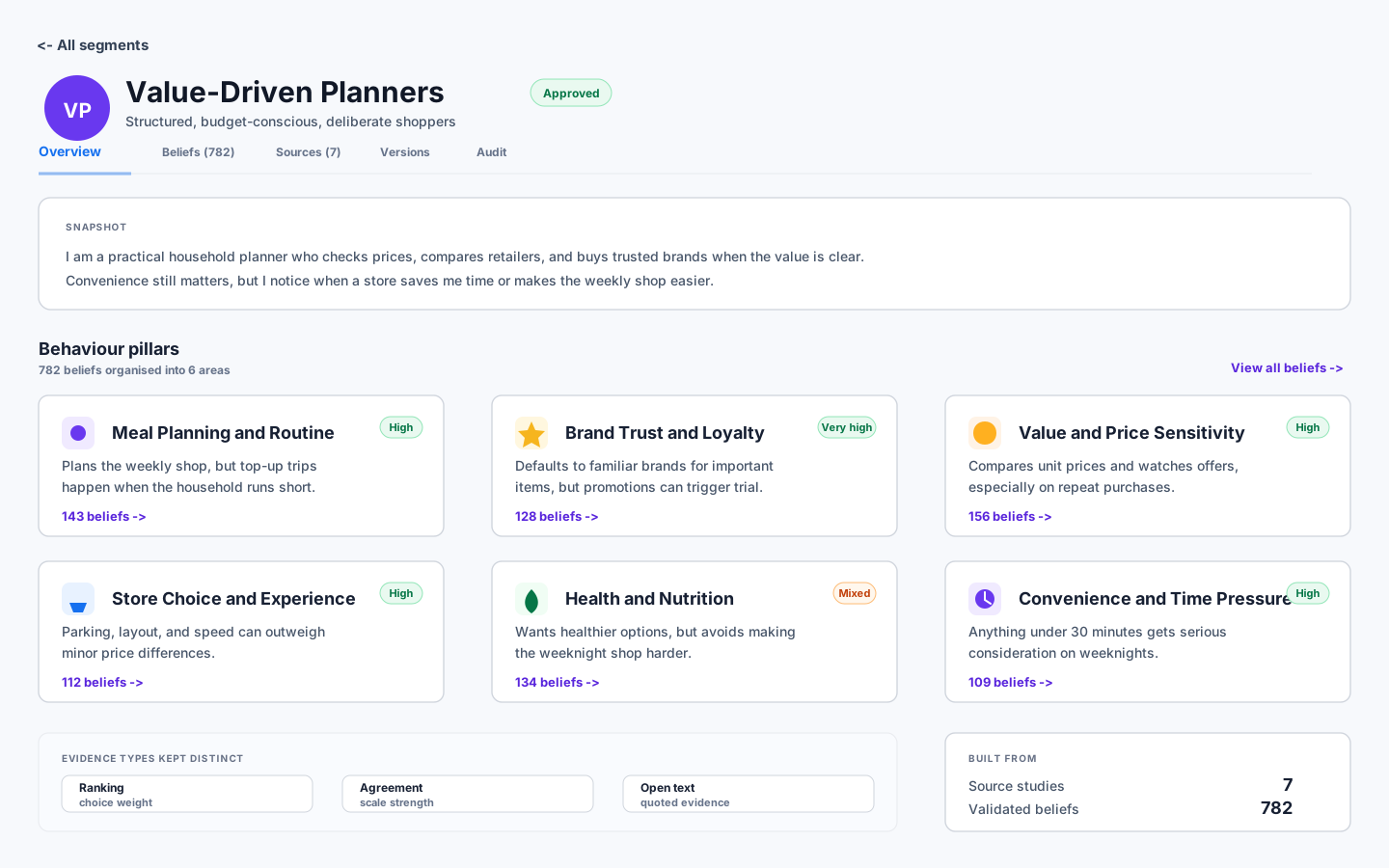
Not all research data means the same thing. A preference ranking, a level of agreement, and a stated belief are different kinds of evidence. Segment Lens keeps them distinct, so a segment never inflates a soft signal or flattens a nuanced one.

The answer reflects what was genuinely measured, the way it was measured. When a study introduces a new kind of data, it extends the model rather than distorting it.

  • +Beliefs, priorities, and associations stay separate kinds of evidence, never blended into one
  • +A "what matters most" answer is weighted by real preference data, not invented emphasis
Segment Lens / Faithful to how the research was measured
Segment Lens profile showing a validated segment snapshot, behaviour pillars, beliefs, and source counts
Governance

Published and governed by your insight team

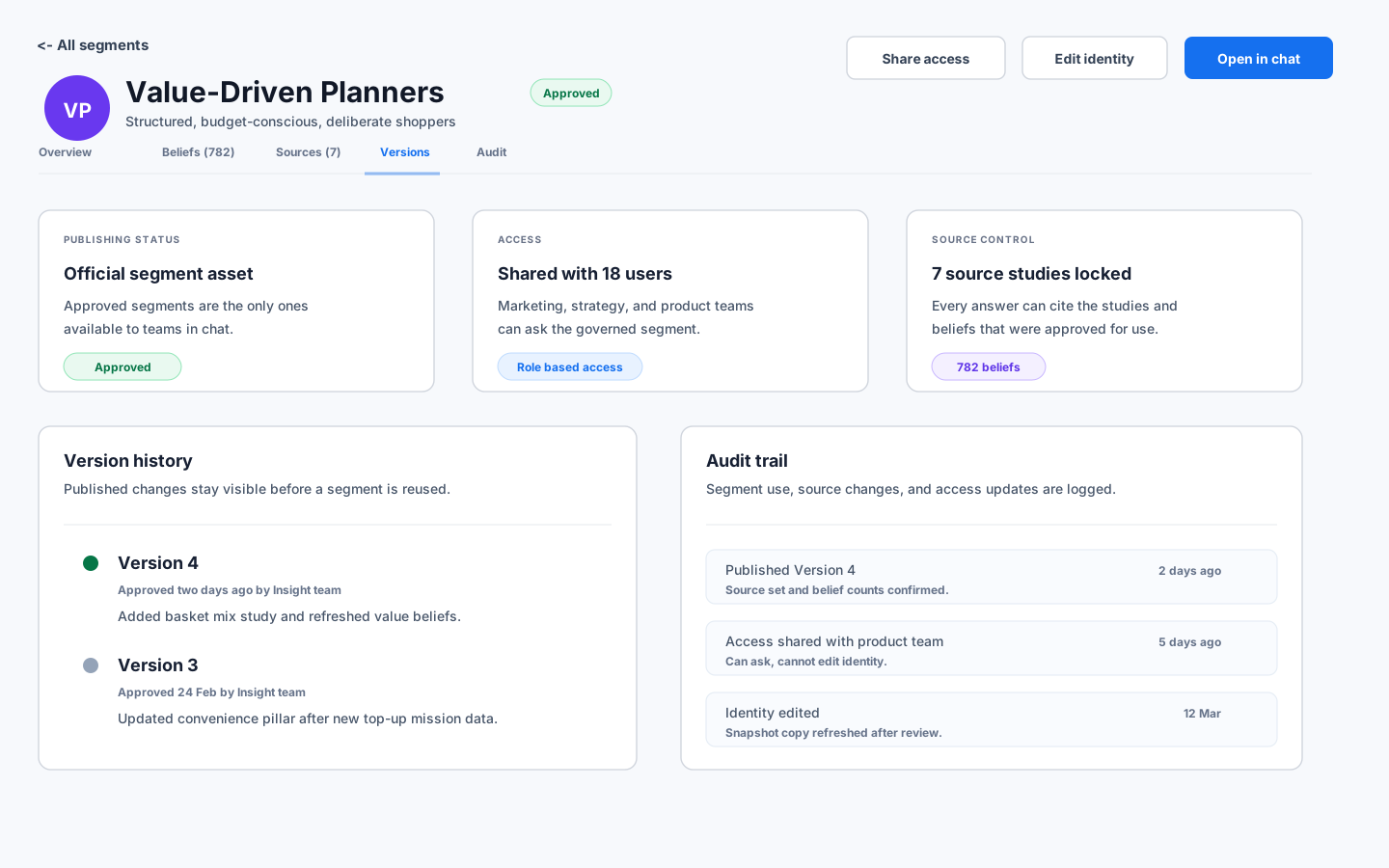
A Segment Lens is an official asset, not an unowned chatbot. Your insight team decides which segments are published, what evidence they draw on, and who can use them.

The rest of the business gets faster access to customer understanding, and insight keeps control of it.

  • +Insight owns creation and curation; other teams get governed access
  • +Segments are versioned and access-controlled
  • +Stewarded over time, not a one-off export that goes stale
Segment Lens / Published and governed by your insight team
Segment Lens governance controls showing approval status, access, source control, versions, and audit trail
Comparison

Not a synthetic respondent

Segment Lens does not invent people or opinions. It gives a governed, inspectable voice to research you already trust. That is the line between a grounded segment and a confident chatbot.

Synthetic persona

Other AI personas

Segment Lens

Segment Lens

Where answers come from

Synthetic persona

Predict or simulate what your audience might say, and ask you to trust the model

Segment Lens

Answer from what your audience actually said, and show you the response

Honesty about limits

Synthetic persona

Confident across the board, quiet about the limits

Segment Lens

Says what it knows, and says plainly when it does not

Proof

Synthetic persona

"Accurate enough," with no way to check

Segment Lens

Every answer opens to the exact source data point

Ownership

Synthetic persona

A standalone chatbot

Segment Lens

A published, governed asset inside your research platform

Connected platform

Part of your research, not a side tool

Segment Lens sits inside the same platform as the rest of your research, so a segment stays connected to the evidence base it came from instead of living in a separate portal.

Insight Navigator asks across your whole research corpus; Segment Lens asks one governed segment.

Next step

See how your segmentation could work harder.

Book a 30-minute demo and we will walk through how Segment Lens turns a validated segmentation into a governed asset your whole team can question, with every answer traceable to the research behind it.